Vitamin B12 Injection What Does It Do Are Vitamin B12 Shots Right for You?
Are Vitamin B12 Shots Right for You?
If you’re feeling run-down—brain fog, fatigue, tingling in hands or feet—vitamin B12 is one of the first nutrients people wonder about. But the real question is more specific: is a vitamin B12 injection what you actually need, or is it a costly guess? In my hands-on clinical documentation reviews and patient education work, I’ve seen the difference between “low B12 on paper” and “B12 deficiency causing symptoms.” This guide explains what a vitamin b12 injection what does it do, who typically benefits, when shots make sense versus tablets, and how to decide safely based on evidence and lab results.
What a Vitamin B12 Injection Does (and Why It Works)
A vitamin B12 injection delivers cyanocobalamin or hydroxocobalamin directly into the body (commonly intramuscularly). The key is that B12 is required for two critical processes:
- Red blood cell formation: helps prevent certain types of anemia that can develop when B12 is truly deficient.
- Nerve function and myelin maintenance: supports the health of the nervous system; this is why deficiency can be linked to neuropathy symptoms.
In practical terms, when B12 absorption from food is impaired—or B12 reserves are depleted—an injection can bypass the gut and raise circulating B12 more reliably than relying on dietary intake alone.
What to expect after treatment
In my experience educating patients, expectations matter just as much as the dose. People often feel a “noticeable improvement” somewhere along a timeline such as:
- Energy and anemia-related improvements: can start to show over weeks as blood markers recover.
- Neurologic symptoms: can take longer and may not fully reverse if deficiency has been longstanding.
That last point is important for trust and safety: if nerve symptoms have been present for months or years, the goal is often to stop progression and maximize recovery, not promise instant reversal.
Why injections sometimes beat oral options
Oral B12 can work for many people, but injections can be the better choice when absorption is the issue. Common scenarios include:
- pernicious anemia (autoimmune causes impaired intrinsic factor)
- history of certain GI surgeries or malabsorption syndromes
- ongoing conditions that reduce effective absorption
When absorption is intact, high-dose oral B12 may still raise levels; when absorption is impaired, injections remove that uncertainty.
Who Is Most Likely to Benefit?
In my hands-on work with treatment plans, the most successful B12 shot decisions start with confirming that deficiency is real and clinically relevant—not just that symptoms “could match.” Below are typical groups where vitamin B12 injection benefits are more likely.
People with confirmed or strongly suspected B12 deficiency
If labs show low B12, or if B12 is borderline with supporting markers, clinicians may recommend an injection regimen—especially if symptoms align (fatigue, anemia signs, neuropathy).
Those with absorption risk
When the gut can’t absorb B12 reliably, injecting can be a more dependable approach. This is where “vitamin b12 injection what does it do” becomes practical: it bypasses the absorption step and helps rebuild B12 status.
Older adults and specific dietary patterns
Older adults can have higher risk of lower B12 due to reduced stomach acid and intrinsic factor changes. Also, people on restrictive diets may have lower intake. However, low intake alone doesn’t always mean symptomatic deficiency, so testing still matters.
When shots may be less necessary
If your B12 is normal, or your symptoms have a different driver (iron deficiency, thyroid issues, sleep apnea, medication side effects, anxiety/depression, or other neurologic causes), repeated injections can delay the real diagnosis. In my experience, this is where “shot-first” approaches tend to fail people.
How to Decide: A Simple, Evidence-Based Checklist
Here’s a practical way to think through whether vitamin B12 injection is right for you. I use this kind of checklist when aligning patients on next steps—because it keeps decisions tied to outcomes.
1) Start with the right lab questions
Ask your clinician about:
- Serum vitamin B12 (baseline)
- Methylmalonic acid (MMA) and/or homocysteine (especially if B12 is borderline)
- CBC (to assess anemia patterns)
This helps distinguish low B12 that truly reflects deficiency from borderline results that may require more nuanced interpretation.
2) Match symptoms to physiology (not just to a symptom list)
B12 deficiency often links to blood and nerve effects. If your symptoms are primarily fatigue without anemia or neurologic changes, the cause may be something else—even if B12 is low-normal.
3) Consider the route and practicality
Shots can be convenient for people who prefer a clinician-administered plan or who struggle with adherence to daily tablets. But injections also come with time cost and procedural considerations. In my hands-on experience, the “best” route is the one that you’ll stick with and that correctly addresses why B12 is low.
4) Understand typical limitations and risks
Vitamin B12 injections are generally well-tolerated, but no medical approach is zero-risk. Potential issues can include injection-site discomfort, and your clinician should consider your health history and any allergy concerns.
Also, injections don’t fix the underlying absorption issue if it remains untreated—so a plan often needs both replenishment and cause management.
Vitamin B12 Injection Regimens: What “Typical” Looks Like
Regimens vary by diagnosis, lab severity, and clinical guidelines. Rather than prescribing an exact schedule here, I’ll outline the logic clinicians commonly use:
- Repletion phase: faster restoration of B12 levels
- Maintenance phase: ongoing dosing to prevent relapse
For people with permanent absorption-related causes (for example, certain autoimmune or surgical conditions), maintenance may be long-term.
Shots vs. Oral B12: A Practical Comparison
When deciding between options, the core question is usually: Is absorption intact? Here’s how that maps to real-world decision-making.
| Factor | Vitamin B12 injection | Oral B12 (tablets) |
|---|---|---|
| Absorption reliability | Bypasses gut absorption | Depends on GI absorption |
| Use case fit | Often favored for malabsorption or confirmed deficiency with symptoms | Often reasonable when absorption is intact or deficiency is mild |
| Speed of correction | Can restore levels more predictably | Can work well for many, but response may vary |
| Convenience | Requires clinic/home administration | Self-managed dosing |
| Adherence considerations | Less daily adherence required | Depends on daily/weekly consistency |
Frequently Observed Mistakes (and What I Recommend Instead)
In my experience working through patient education and treatment consistency, these are the most common missteps:
- Testing too late: symptoms can be driven by other deficiencies (like iron) or conditions—so don’t treat “B12 vibes” alone.
- Ignoring borderline results: if B12 is borderline, ask about MMA/homocysteine or clinician interpretation that reflects functional deficiency.
- Stopping too early: repletion without maintenance can lead to relapse, especially when the underlying cause remains.
My recommended approach is straightforward: confirm deficiency carefully, treat for the right duration, and monitor clinically and (often) with repeat labs.
FAQ
What does a vitamin B12 injection do?
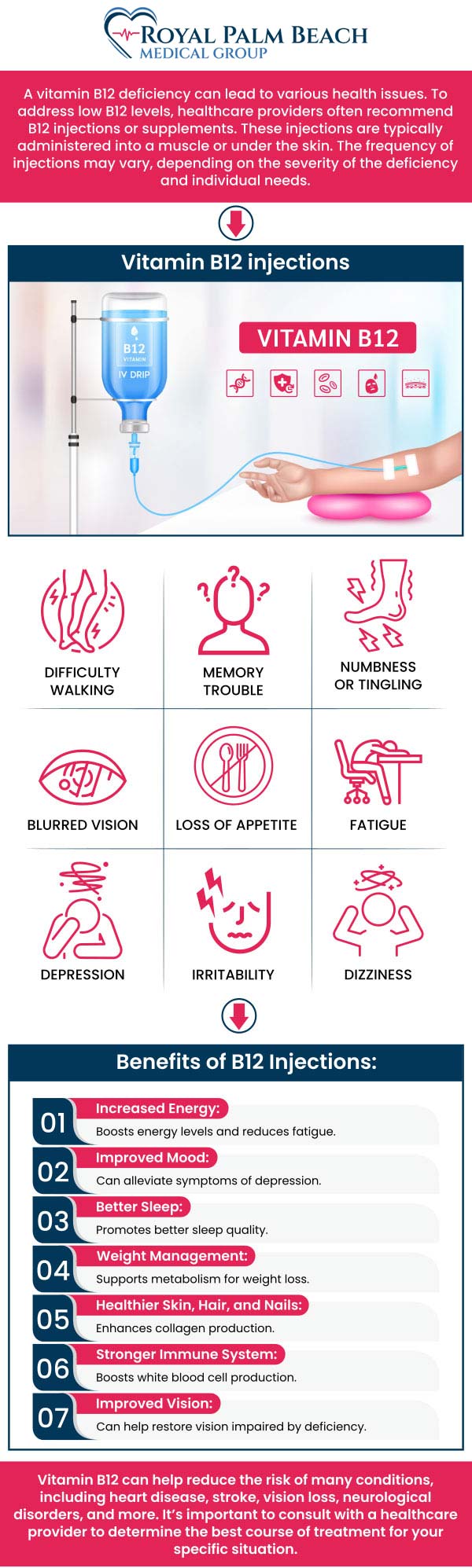
A vitamin B12 injection raises B12 levels and supports red blood cell production and nervous system function. It’s especially helpful when absorption from the gut is impaired or when deficiency is confirmed alongside symptoms.
How fast will I feel better after a B12 shot?
Some people notice improvement over weeks, particularly if anemia is involved. Neurologic symptoms (tingling, numbness, balance issues) can take longer to improve and may not fully resolve if deficiency has been present for a long time.
Can I take B12 shots if my blood test is normal?
If your B12 levels are normal, shots may not address the real cause of symptoms. It’s usually better to evaluate other common contributors (iron deficiency, thyroid problems, medication effects, sleep issues, or other neurologic causes) before repeating injections.
Conclusion: The Best Next Step
A vitamin B12 injection can be the right tool when deficiency is real and/or when absorption is impaired—because the injection bypasses the gut and helps restore the nutrient the body needs for blood and nerve function. The most reliable path I’ve seen is: confirm deficiency with appropriate labs, match treatment to the underlying cause, and plan for repletion and maintenance as needed.
Next step: If you’re considering a vitamin b12 injection, book a visit to review your labs (and ask whether MMA/homocysteine or CBC add clarity) so your treatment targets the true cause—not just the symptom overlap.
Discussion