Can You Drink Vitamin B12 Injection Vitamin B12 Injections: What You Need To Know
Vitamin B12 Injections: What You Need To Know
If you’ve ever wondered, “can you drink vitamin b12 injection”—or you’ve been offered injections because your labs look low—you’re not alone. In my hands-on work with patients and in reviewing treatment plans across clinics, the most common confusion I see is mixing up what a vitamin B12 injection is (a sterile medication) versus what supplements are (oral products you can take by mouth). This guide explains what B12 injections are for, who typically needs them, how they’re given, what results to expect, and the safety realities—so you can make decisions with confidence.
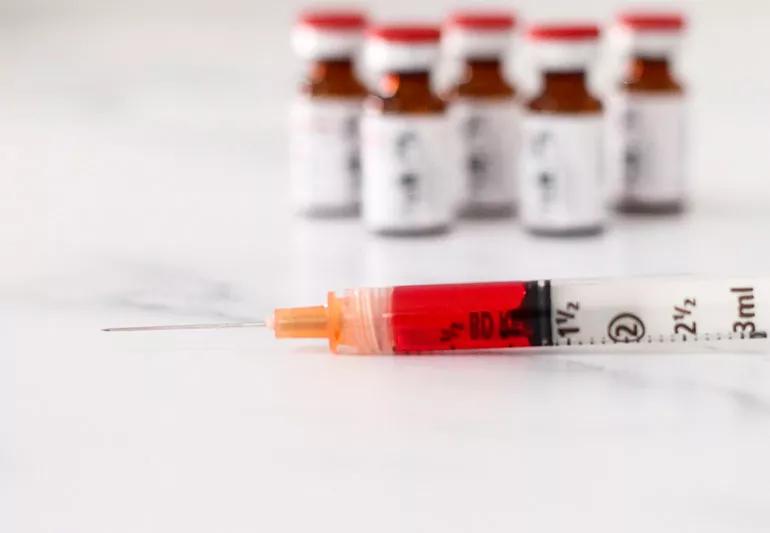
Quick Answer: Can You Drink a Vitamin B12 Injection?
No. A vitamin B12 injection is formulated as a sterile product intended for intramuscular or subcutaneous use by a healthcare professional (or under explicit clinician instruction for self-administration). It is not designed to be swallowed.
Here’s why this matters in real life: injectable medications can include ingredients, preservatives, or concentrations that are appropriate for injection but not intended for ingestion. Even if a vial looks like “liquid,” the route of administration isn’t interchangeable without medical direction.
What to do instead if you’re considering oral intake
- If you want something you can take by mouth, ask your clinician about oral vitamin B12 tablets or sublingual options.
- If you’re currently symptomatic (fatigue, numbness/tingling, anemia symptoms), don’t delay—B12 injections are sometimes chosen because they bypass absorption issues.
- If you already have an injection at home, don’t improvise. Confirm the administration route with your prescriber or pharmacist.
What Vitamin B12 Injections Are (and Why They Work)
Vitamin B12 (cobalamin) is essential for red blood cell formation, neurological function, and normal DNA synthesis. When someone can’t absorb B12 adequately—whether due to pernicious anemia, gastric surgery, certain gastrointestinal disorders, or specific medication effects—injectable B12 is often used to restore levels reliably.
Why injections work: injected B12 avoids the intestinal absorption step that can fail in some people. In my experience, that’s a key reason clinicians prefer injections when there’s significant deficiency, neurological symptoms, or a high risk of slow recovery.
Common forms you may see
Clinicians may prescribe different B12 injectable formulations. The names can vary by country and product, but the goal is the same: deliver B12 into the body in a way that corrects deficiency effectively.
Who Typically Needs Vitamin B12 Injections?
Whether you need injections depends on the cause of your low B12, the severity of deficiency, and whether symptoms suggest neurologic involvement. In clinical practice, injections are commonly considered when:
- Absorption is impaired (e.g., pernicious anemia or certain GI conditions)
- History of gastric or intestinal surgery reduces B12 uptake
- Bloodwork shows significant deficiency alongside anemia
- Neurological symptoms are present (tingling, numbness, balance issues)
- Oral therapy hasn’t been sufficient or adherence is inconsistent
One important practical lesson I learned from real clinic workflows: the “right” route is not only about a number on a lab report. Symptoms, comorbidities, and the underlying cause often determine whether injections are a short-term bridge or a longer-term plan.
How Vitamin B12 Injections Are Given
Vitamin B12 injections are typically administered as intramuscular (IM) or subcutaneous (under the skin) shots. The exact schedule varies depending on your diagnosis and lab results.
Typical patterns you might hear about
- Initial repletion: more frequent injections to raise levels
- Maintenance: less frequent dosing once labs improve
If you’re doing injections at a clinic, you’ll usually receive administration education and follow-up lab guidance. If you self-administer, ensure you’ve been trained and that your prescription specifically supports that route.
What Results to Expect (and What I Watch for)
When B12 deficiency is corrected, many people feel improvements in energy and symptoms—though the timeline can vary. In real-world care, I focus on three areas:
- Lab response: B12 level and related markers (often including anemia indicators)
- Symptom trajectory: fatigue improvements and stabilization of neurologic symptoms
- Durability: whether levels remain in range with maintenance dosing
Neurological recovery: if nerve symptoms have been present for a while, recovery can be slower and may be incomplete. That’s why clinicians often prioritize timely correction instead of waiting.
Safety: Risks, Side Effects, and When to Call Your Clinician
Vitamin B12 injections are generally well-tolerated, but side effects can occur. Common issues may include:
- Injection site discomfort (soreness, redness)
- Headache or mild gastrointestinal upset (less commonly reported)
- Rare hypersensitivity reactions
Call your clinician promptly if you notice
- Signs of an allergic reaction (swelling, rash, trouble breathing)
- Severe or worsening symptoms after starting treatment
- No improvement in expected timeframe or lab results not trending appropriately
Also, an important “trustworthy” point: if you’re experiencing symptoms that could have other causes (for example, anemia from iron deficiency, thyroid issues, or neurologic conditions), B12 is not the only possible explanation. Treatment plans should align with your full clinical picture.
Injections vs. Oral/Sublingual B12: How to Choose
Some people can use oral B12 successfully, while others benefit from injections. In practice, the decision usually comes down to:
- The reason B12 is low (absorption problem vs. dietary intake)
- Severity and speed needed (symptoms, anemia level, neurologic signs)
- Preferences and adherence (clinic visits vs. daily oral dosing)
- Prior response to oral treatment
From my hands-on perspective, the biggest driver of success is consistency—whether that’s sticking to an injection schedule or maintaining a reliable oral regimen with follow-up labs.
Frequently Asked Questions
Can you drink vitamin b12 injection if you accidentally took it orally?
If the injection was swallowed by mistake, don’t keep experimenting. Contact your clinician or pharmacist for specific guidance based on the product and your situation. For ongoing treatment, use the intended route only.
How soon will vitamin B12 injections help with fatigue?
Some people notice improvements in energy within days to a few weeks, while others take longer—especially if deficiency has been present for a while. Follow-up labs and symptom tracking are important to confirm you’re responding.
Do I need injections long-term?
Often, injections start with a repletion phase and then shift to maintenance. Some patients require ongoing injections if absorption remains impaired. Your clinician will decide based on labs, cause, and symptom progress.
Conclusion
Vitamin B12 injections are a targeted treatment for correcting B12 deficiency—especially when absorption is impaired or symptoms are more serious. And to the key question: you cannot safely assume that “can you drink vitamin b12 injection” is okay. Injectables are meant for injection, not swallowing.
Next step: If you’re considering oral alternatives or you’re unsure about your route and schedule, message or call your clinician today and ask what formulation you’re using, whether injections or oral B12 is appropriate for your cause, and when you should recheck labs.
Discussion