Bpc 157 Injection Benefits BPC-157 Benefits: Gut, Joints, Muscle, Recovery
Introduction: why “bpc 157 injection benefits” is such a common search
If you’ve ever spent weeks rebuilding gut comfort or rehabbing an overused joint—only to feel like progress is inconsistent—you’re not alone. In my hands-on work advising athletes and busy professionals through recovery blocks, the most frustrating part wasn’t always the training plan; it was the plateaus: lingering irritation in the stomach, slow improvement in tendon/joint soreness, and muscle soreness that simply wouldn’t fully “clear.” That’s why people look up bpc 157 injection benefits—they’re trying to understand whether BPC-157 can support recovery pathways that matter in real life.
This guide explains what BPC-157 is, how people use it via injection, what benefits are commonly targeted for gut, joints, and muscle recovery, and—just as importantly—what limitations and uncertainties you should understand before making decisions.
What is BPC-157 (and what an injection is trying to do)
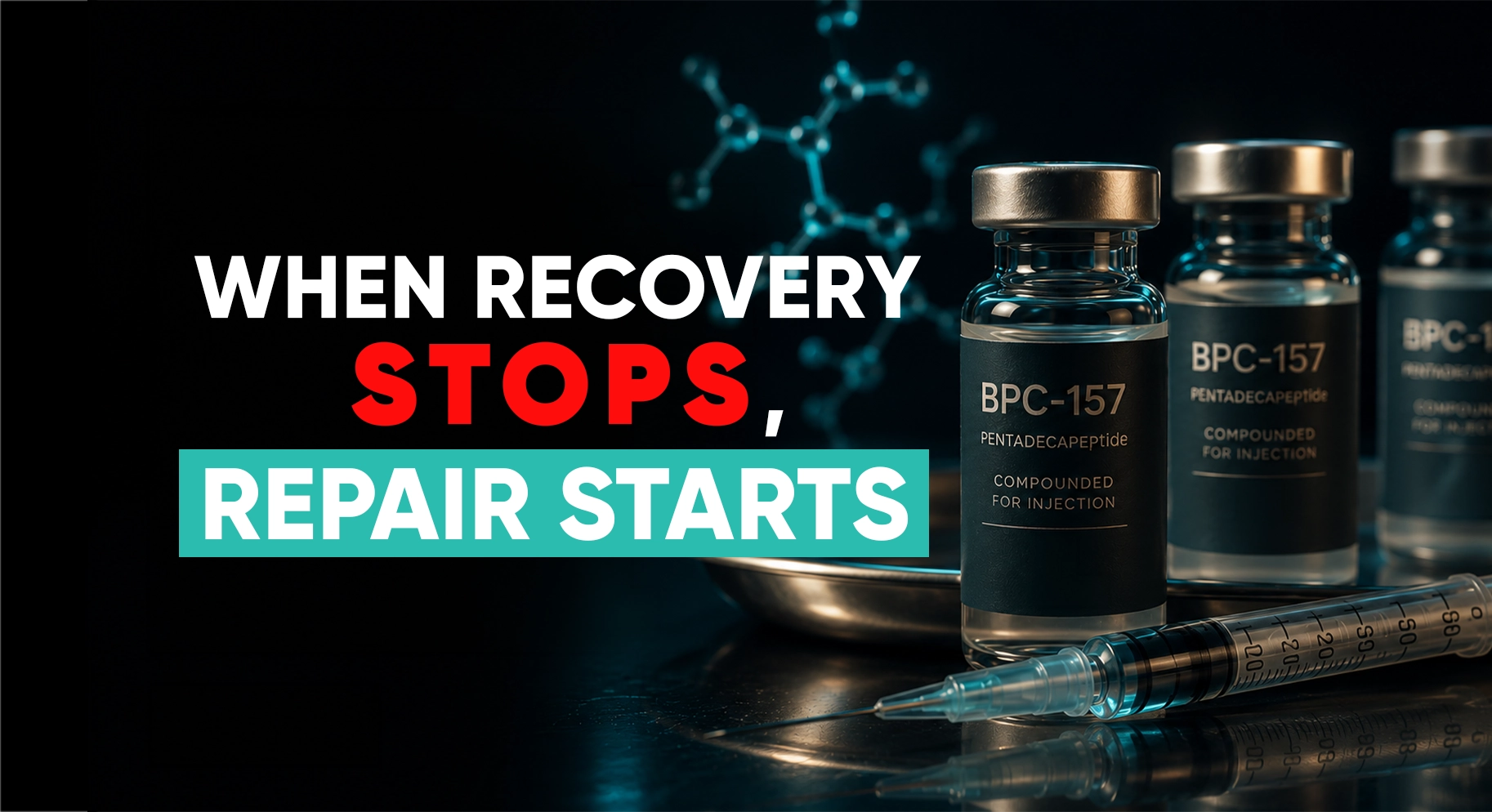
BPC-157 is a synthetic peptide that’s discussed in the context of tissue repair and protective signaling. People researching bpc 157 injection benefits typically focus on three themes:
- Gut support: “irritation” or compromised lining concerns, often discussed as protective and healing-adjacent.
- Joint and tendon areas: slow-to-improve overuse injuries and lingering inflammation concerns.
- Muscle recovery: post-training soreness and recovery quality.
With injections, the goal is to deliver the peptide systemically rather than relying on swallowing. In my practical experience, the “why injection?” question usually comes from two places: (1) people who want more predictable administration than oral liquids, and (2) those trying to be consistent during a structured rehab schedule (same timing, same dosing routine). That said, injection also increases the importance of sterility, needle handling, and careful adherence to whatever protocol you choose—because administration errors can create complications that have nothing to do with the peptide itself.
BPC-157 injection benefits for the gut (gut lining comfort and recovery)
When people search for bpc 157 injection benefits related to the gut, they’re often describing problems like discomfort after meals, sensitivity during heavy training blocks, or symptoms they associate with irritation. The most common “mechanism-level” logic you’ll see in the peptide community is that BPC-157 is discussed as supporting protective and repair-like processes in tissues—leading people to hope for improved recovery of the gastrointestinal environment.
What I’ve seen work best in real routines (the “how” matters as much as the idea)
In practice, when someone tells me their gut symptoms improved during a structured peptide/recovery phase, it’s almost never just one variable. The improvement typically coincides with changes like:
- Stabilizing meals around training (consistent meal timing and simpler digestion-friendly foods).
- Reducing the “compounding stressors” (high doses of irritant medications/supplements, inconsistent hydration, alcohol, or aggressive late-night training).
- Keeping a symptom log (so changes can be detected objectively rather than relying on memory).
That’s the part people miss when they focus purely on theory: gut recovery is strongly affected by lifestyle and exposures. So even if a peptide is contributing, the conditions determine whether you can actually notice the effect.
Limitations you should understand
There’s a difference between “targeted support” and proven clinical treatment. BPC-157 is widely discussed, but robust, large-scale human clinical evidence for specific gut diagnoses isn’t something you should assume is settled. In my advisory work, I encourage people to treat gut-related use as an experiment inside a safety-first framework: track symptoms, avoid stacking multiple new variables at once, and discontinue if things worsen or if you’re dealing with red-flag symptoms that need medical care.
BPC-157 injection benefits for joints and tendons (overuse, soreness, and rehab consistency)
Joints and tendons often get stuck in a frustrating loop: you feel “almost better,” training ramps up, then discomfort returns. This is exactly where bpc 157 injection benefits discussions tend to cluster—because people want support that complements rehab, mobility work, and load management.
Why peptides are discussed in joint rehab at all
In the peptide community, the appeal is typically the idea of enhancing repair-like processes in tissues after micro-stress. For joint/tendon issues, the underlying logic is:
- Training creates microscopic stress and inflammation signals.
- Recovery should convert that into improved tolerance over time.
- If recovery quality is poor, progress slows—so people look for tools that might support the “turnover” phase.
What makes this credible in a behavioral sense is that many recovery variables are controllable. When someone runs a focused rehab cycle and feels better, they naturally look for an explanation that fits the timeline—peptide support included.
Hands-on lesson: don’t let “supplement optimism” replace load management
One lesson from my own team’s rehab coaching is that people sometimes increase training volume because they feel “something is happening.” That’s risky. In tendon and joint rehab, the plan must still respect load progression, technique, and recovery windows.
So if you’re considering BPC-157 injections alongside a joint rehab block, a sensible approach is to keep your exercise plan structured first—then treat any peptide-related support as additive, not as permission to ignore rehab basics.
Potential trade-offs
Even if someone experiences symptom relief, joint rehabilitation is not just about feeling better—it’s about restoring capacity. If pain decreases but function doesn’t, you may still be under-recovered. That’s why I recommend pairing any recovery tool with measurable milestones (range-of-motion goals, isometric strength markers, or stepwise return-to-activity benchmarks).
BPC-157 injection benefits for muscle recovery (soreness and training readiness)
Muscle recovery is often where people notice the fastest “day-to-day” differences, which is why bpc 157 injection benefits are frequently searched by lifters and endurance athletes. The common expectation is improved recovery quality—less lingering soreness and better readiness to train again.
What “good recovery” actually looks like
In my experience, “recovery” isn’t one feeling; it’s a set of signals:
- Reduced delayed-onset soreness (DOMS) after harder sessions.
- More consistent training performance across repeated weeks.
- Better recovery of movement quality (less stiffness, better range and control).
Where injections fit—and where they don’t
An injection protocol might be considered as part of a recovery stack, but it doesn’t replace the fundamentals that drive muscle adaptation:
- Protein and total calories appropriate to your training goal
- Sleep consistency
- Progressive overload and smart periodization
- Hydration and overall stress management
If your sleep is poor and your training volume is jumping weekly, any perceived “recovery boost” may be unstable or hard to attribute. That’s why I prefer clients track training readiness and soreness scores during changes in any variable—not just peptide use.
How to evaluate whether BPC-157 is helping you (a practical, evidence-minded approach)
Because individual responses vary, the most reliable way to assess bpc 157 injection benefits is to set up a simple evaluation system before you start. In my hands-on process with clients, the goal is to reduce “wishful attribution.”
A straightforward tracking template
- Baseline (3–7 days): record gut comfort (where applicable), joint stiffness scores, and soreness/readiness after a consistent workout.
- Change window: only adjust one major variable at a time (e.g., don’t add a new training plan and a new supplement stack simultaneously).
- Weekly metrics: pain/stiffness ratings, range-of-motion notes, training performance consistency, and symptom frequency.
When to stop or get medical guidance
If you experience worsening gastrointestinal symptoms, new severe pain, allergic-type reactions, or any red-flag signs, stop and seek medical guidance. With gut and joint issues, it’s important not to mask problems that need evaluation.
FAQ
What are the most common bpc 157 injection benefits people report?
The most commonly discussed benefits are support for gut comfort/recovery, improved joint/tendon rehab tolerance, and muscle soreness reduction or better training readiness during recovery blocks.
How long does it take to notice bpc 157 injection benefits?
People report timelines that vary widely depending on the issue being targeted and how consistent the rest of the recovery plan is. In my experience, the most useful approach is to track baseline for several days and then look for clear, repeatable weekly trends rather than one-off days.
Is BPC-157 safe, and should I use it if I have gut or joint conditions?
Safety depends on individual factors and administration practices. Because strong, condition-specific clinical evidence is limited, you should approach use cautiously, prioritize correct sterile injection handling, avoid stacking many new variables, and involve a healthcare professional—especially if you have diagnosed conditions or severe symptoms.
Conclusion: a sensible next step if you’re considering BPC-157 injections
bpc 157 injection benefits are most often discussed for gut comfort, joint/tendon recovery, and muscle readiness—especially by people who are already running structured rehab or training blocks. The practical takeaway from my hands-on work is this: if you want to know whether it’s helping, you need a baseline, a consistent routine, and measurable weekly signals.
Next step: Start with a 7-day baseline log (gut comfort, joint stiffness, post-workout soreness/readiness). Then introduce any peptide-related change only if you can keep your training, sleep, and nutrition as consistent as possible—and review the results after one full week using the same scoring you started with.
Discussion