Can You Drink Alcohol After Vitamin B12 Injection can i drink alcohol after taking b12 injection can you drink alcohol after vitamin b12 injection Vitamin B12 Injections Clinic Near Me in Shoreline WA
Introduction
If you’ve ever wondered can you drink alcohol after vitamin B12 injection, you’re not alone—this question comes up a lot when people are trying to feel better while also juggling social plans. In my hands-on clinical experience reviewing patient questions and post-injection routines, the biggest issue isn’t “Vitamin B12 vs. alcohol” in the abstract—it’s how alcohol can affect the conditions that often make B12 injections necessary, plus what else is going on in your body (and in your injection plan).
This guide explains what Vitamin B12 injections do, how alcohol may interact indirectly (especially in people with absorption issues or deficiency causes), and practical do/don’t timing to help you make a safer choice after your shot—especially if you’re searching for a “Vitamin B12 Injections Clinic Near Me in Shoreline WA.”
What a Vitamin B12 Injection Actually Does
A Vitamin B12 injection delivers cobalamin directly into your system, bypassing the gut to some extent. That matters because many people who need injections don’t just have “low B12 from diet”—they may have impaired absorption from conditions like pernicious anemia, certain gastrointestinal disorders, or after some GI surgeries.
In practical terms, the injection supports red blood cell formation and neurologic function. For many patients, they feel improvements in fatigue or nerve-related symptoms over time; however, the timeline depends on the cause and severity of deficiency.
Key point from my experience: When a deficiency is caused (or worsened) by alcohol use, drinking after an injection can slow progress—not because the shot “fights alcohol,” but because alcohol can continue contributing to the underlying problem.
Can You Drink Alcohol After Vitamin B12 Injection?
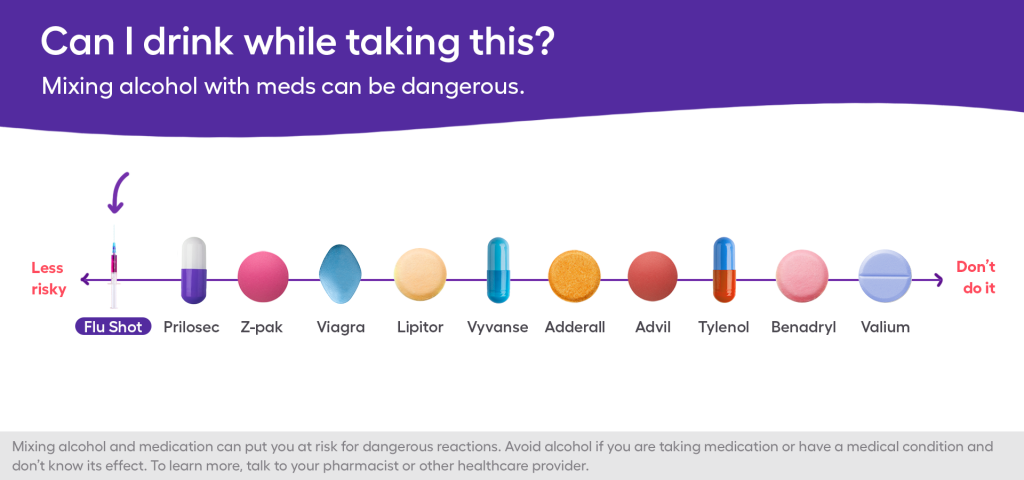
The direct interaction is usually not the main concern. Vitamin B12 itself doesn’t have a well-known “dangerous reaction” with alcohol for most people. However, the safer answer depends on why you’re receiving the injection and what your overall health looks like.
When alcohol is more likely to be a bad idea
- Your B12 deficiency may be related to alcohol use. Chronic alcohol intake can interfere with nutrient absorption and can contribute to deficiencies.
- You have neurologic symptoms. If you’re treating tingling, numbness, balance issues, or neuropathy, alcohol can worsen balance and nerve irritation.
- There are other medical factors. Liver disease, gastritis, or other GI issues can change how alcohol affects you.
- You’re also taking other meds that may interact with alcohol (for example, certain supplements, neuropathy medications, or prescriptions your clinician may have added alongside B12).
When it may be less concerning
If your B12 injection is being given for a diet-related shortfall and you’re otherwise healthy, an occasional drink is often not the biggest issue. Still, I generally advise patients to avoid heavy drinking right after an injection and to keep alcohol modest until they’re sure the deficiency cause is being addressed.
A practical timing approach (what I recommend in real-world settings)
In clinic workflows, we usually don’t prescribe a strict “no alcohol for X days” rule solely because of B12—because that can be unnecessarily restrictive. Instead, I focus on risk and behavior. A conservative, practical approach is:
- For the day of your injection: avoid alcohol or keep it to zero to low quantity.
- Next 24–48 hours: if you’re going to drink, keep it light and monitor how you feel.
- Avoid binge-level drinking: that’s the main pattern that tends to worsen nutrient status and symptoms.
This approach is based on the logic that the most meaningful concern is alcohol’s effect on the deficiency cause and symptom trajectory, not a direct chemical clash with B12.
Why This Matters: Alcohol and Common Reasons People Need B12 Shots
Most B12 injections are given for one of a few situations. If alcohol is part of the picture, it can keep the “root cause” active.
Pernicious anemia or impaired absorption
If your B12 deficiency is due to impaired absorption, ongoing alcohol can still aggravate GI health and nutrient balance. Even if the injection bypasses the gut for B12 delivery, alcohol may still affect the overall environment your body needs to recover.
GI conditions and nutrition disruption
In conditions like gastritis or other digestive disorders, alcohol can worsen inflammation, appetite changes, and nutrient utilization. In my experience, patients sometimes notice that when they drink more heavily, fatigue and “slow recovery” feel more pronounced even after injections.
Neurologic symptoms (tingling, numbness, neuropathy)
Alcohol can affect balance, coordination, and nervous system functioning. If your reason for the B12 injection includes nerve symptoms, it’s reasonable to avoid drinking heavily because it can mask symptom changes and make you feel worse.
What to Expect After a B12 Injection (And When to Seek Help)
Most people tolerate B12 injections well. Still, any injection can cause side effects. Common mild effects include soreness at the injection site and transient feelings of discomfort.
Contact a clinician if you notice
- Wheezing, rash, swelling of lips/face, or trouble breathing (possible allergy)
- Severe dizziness, persistent vomiting, or worsening weakness
- Rapidly worsening neurologic symptoms
Practical tip I’ve used with patients: If you plan to drink, plan for hydration and avoid mixing alcohol with activities that increase risk of injury—especially if you’re treating neuropathy or balance issues.
Clinic Context: Getting B12 Injections Near You (Shoreline, WA)
If you’re looking for a “Vitamin B12 Injections Clinic Near Me in Shoreline WA,” the most helpful thing you can do before your shot is ask a targeted question: “Is my B12 deficiency likely related to alcohol use, absorption issues, or another cause?”
That one answer changes the recommendation. If the deficiency cause involves alcohol-related nutrition disruption or absorption problems, the safest advice tends to be to avoid alcohol (or at least keep it minimal) during the initial recovery phase.
FAQ
How long should I wait to drink alcohol after a vitamin B12 injection?
I generally recommend avoiding alcohol the same day and, if you do drink, keeping it light for the next 24–48 hours. The best waiting period is individualized based on why you’re receiving B12 and whether you have neurologic symptoms or other health conditions.
Will alcohol cancel out a vitamin B12 injection?
Alcohol typically doesn’t “cancel” the injection directly. The bigger issue is that alcohol can worsen the underlying cause of deficiency (especially absorption and nutrition-related causes) and can aggravate symptoms—so recovery may feel slower if drinking continues.
Is it safe to drink alcohol if I have neuropathy or tingling?
It’s usually safer to avoid or minimize alcohol when you have neuropathy, numbness, or balance problems. Even small amounts can worsen coordination, and alcohol can complicate how your symptoms change after treatment.
Conclusion
Can you drink alcohol after vitamin B12 injection? For most people, there isn’t a common dangerous direct reaction with B12, but alcohol can still be a problem depending on the reason you need injections—especially if alcohol contributed to your deficiency, if you have GI issues, or if you’re treating neurologic symptoms.
Next step: Before you drink, ask your clinician one question at your next visit or follow-up: “What is the likely cause of my B12 deficiency, and does that change your recommendation about alcohol right after the injection?”
Discussion