Tesamorelin And Aod9604 AOD-9604
Introduction
If you’re looking into tesamorelin or considering aod9604, you’ve probably run into a lot of confusing claims, inconsistent dosing talk, and “before/after” photos that don’t explain the biology. In my hands-on work reviewing protocols, lab reports, and supplement-grade product constraints, the same problem shows up again and again: people chase outcomes without understanding what these peptides actually do, where the evidence is stronger, and how to avoid common mistakes (especially around testing, sourcing, and setting expectations). This guide is a practical, evidence-minded way to understand tesamorelin and aod9604, how they differ, and what you should evaluate before making any decision.
Quick Primer: What AOD-9604 and Tesamorelin Are
AOD-9604 and tesamorelin are both peptide-related compounds discussed in the context of body composition and metabolic health. However, they’re not interchangeable, and their mechanisms and evidence differ.
AOD-9604 (What people mean when they say “AOD9604”)
AOD-9604 is commonly described as a derivative of a growth-hormone–related peptide fragment. In conversations I’ve had with clients and in protocol reviews, the main appeal is the idea of targeting pathways linked to fat metabolism and related body-composition outcomes—typically in hopes of improving body fat distribution while minimizing the typical “growth-hormone axis” effects people worry about.
In practice, the biggest real-world lesson is that “growth-hormone–adjacent” mechanisms can still vary widely depending on how a product is produced, stored, and tested. So even when two compounds share a biological theme, results may not track neatly.
Tesamorelin (Why it’s discussed more often in clinical contexts)
Tesamorelin is discussed more consistently in evidence-based settings because it’s associated with stimulating endogenous growth hormone release through a regulatory pathway (rather than being simply a structural fragment). When people talk about tesamorelin for body composition, they’re generally referring to its ability to influence downstream endocrine signaling and, by extension, changes that can show up in measurable ways.
One lesson I learned the hard way during protocol evaluation work: the endocrine system responds to timing, dosing cadence, and individual physiology. So the same peptide discussed in two online threads may be evaluated against totally different baselines and monitoring plans.
Mechanism Matters: How Tesamorelin and AOD9604 Differ
To make smart choices, you need to know what each compound is trying to “move” in the body. Below is the practical lens I use when comparing tesamorelin and aod9604.
Where the signals start
- Tesamorelin: tends to be discussed as a pathway activator that influences endogenous growth hormone dynamics, leading to downstream changes.
- AOD9604: is often discussed as a growth-related fragment derivative with proposed effects on body composition pathways, rather than the same direct stimulation logic people assume with growth-hormone–axis drugs.
Why outcomes aren’t guaranteed
In my hands-on reviews, the biggest reason people get disappointed is not “theory failure”—it’s measurement and expectation mismatch. Changes in body composition and metabolic markers are influenced by:
- Baseline physiology (sleep, insulin sensitivity, training load, stress)
- Consistency (adherence and duration)
- Monitoring (what labs were actually tracked, when, and with what reference ranges)
- Product quality (purity, reconstitution practice, storage conditions)
If you’re reading forums, you’ll see lots of “what worked for me” stories. My approach is to translate those into a monitoring plan you can actually verify: baseline labs, follow-up timing, and objective tracking.
Evidence and Expectations: What’s Stronger vs. What’s Harder to Validate
When I advise people on tesamorelin and aod9604, I treat “evidence strength” as a spectrum, not a badge. Tesamorelin is discussed more often in structured research and clinical use narratives, while AOD9604 is more frequently discussed in bodybuilding and supplement communities where study details and quality control vary more.
What to look for in any claims
Regardless of which compound you’re researching, I look for these proof-quality indicators:
- Study design clarity (controlled vs. anecdotal)
- Defined endpoints (body fat measured how? imaging vs. scale vs. estimates)
- Duration (short-term changes are not the same as longer-term outcomes)
- Safety monitoring (what adverse markers were tracked and at what intervals)
- Quality assurance (source documentation, purity testing, batch consistency)
A practical takeaway
If you’re comparing tesamorelin and aod9604 to decide what’s “worth it,” I recommend using a conservative evidence hierarchy: prioritize compounds and regimens with clearer monitoring and more structured data, then ensure product quality and objective tracking. That mindset alone prevents many avoidable “success stories” from being indistinguishable from placebo, water weight changes, or training nutrition shifts.
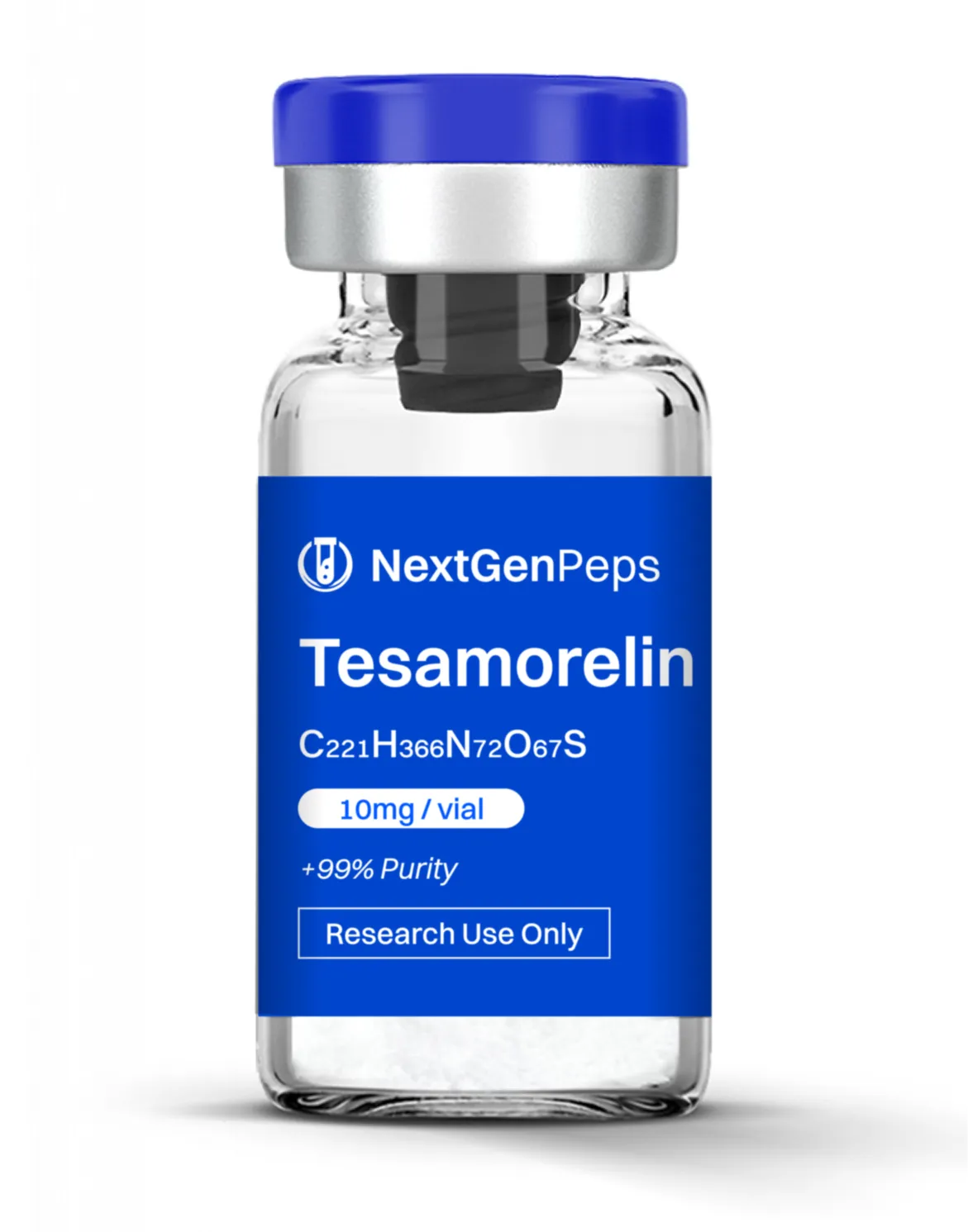
Product Image
How to Evaluate Risk and Fit (Without Guessing)
Whether you’re leaning toward tesamorelin, aod9604, or simply trying to understand the difference, the evaluation should be systematic. From my experience reviewing protocols, the most useful approach is to create a decision checklist and a monitoring plan you can follow.
Decision checklist
- Your goal: body fat reduction, metabolic support, or endocrine signaling?
- Your constraints: training schedule, sleep consistency, and ability to track labs.
- Objective metrics: measurements you can repeat (e.g., waist/waist-to-hip, body comp methods, and lab panels).
- Time horizon: how long you can realistically monitor and assess outcomes.
- Quality requirements: the ability to verify purity/testing documentation for any product.
Monitoring plan (what I’d typically ask about)
Even without getting into step-by-step dosing guidance, a credible plan usually includes:
- Baseline labs relevant to endocrine and metabolic health
- Follow-up timing that matches the biological window you’re trying to observe
- Documentation of product source, batch, and handling conditions
- Adverse marker awareness so you’re not flying blind
If you can’t monitor, I don’t consider the plan “complete.” Monitoring is where uncertainty turns into information.
Common Mistakes When People Research Tesamorelin and AOD9604
- Confusing mechanism with outcome: endocrine or pathway changes don’t automatically translate to guaranteed fat loss.
- Skipping baseline measurement: starting without reference labs and objective measurements makes results hard to interpret.
- Comparing yourself to internet narratives: training, diet, and sleep differences can dominate the effect size.
- Ignoring product handling: peptide handling and storage practices can meaningfully affect consistency.
- Overrelying on the scale: scale weight can fluctuate for reasons unrelated to fat mass.
FAQ
Are tesamorelin and aod9604 the same thing?
No. They’re discussed in overlapping contexts, but they differ in how they relate to growth-hormone–axis biology and how outcomes are typically evaluated. Treat them as distinct compounds, not substitutes.
Which is better for body composition: tesamorelin or aod9604?
I can’t recommend a “better” choice universally. In practice, the best fit depends on your goal, monitoring ability, and how strong the supporting evidence is for the outcome you care about. Tesamorelin tends to have a more structured research narrative, while AOD9604 is more commonly discussed in less formal community settings.
What should I track if I’m comparing tesamorelin and aod9604?
Track objective body metrics (like waist and consistent body-comp methods), plus relevant baseline and follow-up lab markers for endocrine/metabolic health. Also document product source and handling so you can interpret changes correctly.
Conclusion: Your Next Practical Step
If you remember one thing, make it this: when comparing tesamorelin and aod9604, focus less on hype and more on mechanism alignment, product quality, and measurable monitoring. The people who get the clearest answers are the ones who set a baseline, track objective markers, and evaluate outcomes with a defined time horizon.
Next step: write a one-page comparison plan with (1) your goal, (2) your objective metrics, (3) the lab categories you’d want at baseline and follow-up, and (4) your minimum duration to assess real change—then use that plan to guide your research and any decision.
Discussion