whats the best bpc 157 peptide BPC BPC 157 Peptide Capsule Pro, Bepecin-157 New Protective
Introduction
If you’ve been searching for the best bpc 157 peptide on the market, you’ve probably hit the same wall I did: lots of marketing claims, no clear way to judge quality, and too many sketchy sourcing stories that don’t match what you’d want for a capsule you actually plan to use.
In this guide, I’ll walk through how I evaluate BPC-157 products (especially capsule formats), what to look for on labels and in testing, and how to avoid the common pitfalls that waste time and money. I’ll also cover the practical tradeoffs of choosing a “protective” capsule product like BPC 157 Peptide Capsule Pro (Bepecin-157).
What “Best” Means for a BPC-157 Capsule
When people ask for the best bpc 157 peptide on the market, they often mean “most effective.” In my hands-on work reviewing supplements and sourcing documents, effectiveness is less about hype and more about whether the product is consistent, correctly dosed, and verifiable.
My quality checklist for BPC-157 products
- Third-party testing: COAs (Certificates of Analysis) that include potency/identity testing, plus purity-related metrics.
- Transparency of sourcing: whether the supplier clearly states manufacturing standards and provides batch-level documentation.
- Dose clarity: the label should state the amount per capsule and the format details (not just vague claims).
- Stability and formulation logic: capsules are convenient, but peptides can be sensitive—so the formulation, storage guidance, and packaging matter.
- Consistency over time: the “best” option is the one whose results don’t rely on hoping the next batch is the same as the last.
That’s the core logic: you can’t evaluate “best” without verifiable manufacturing and dosing consistency, especially for a peptide marketed for protective or recovery-related purposes.
How I Evaluate BPC-157 “Capsule Pro” Style Products
Capsule products like BPC 157 Peptide Capsule Pro, Bepecin-157 can be appealing because they’re simple to take. However, I approach them with a practical mindset: convenience doesn’t replace verification, and it doesn’t automatically fix the biggest risks—unclear dosing, lack of batch testing, or formulation choices that may reduce reliability.
1) Packaging, labeling, and COA alignment
In reviews I’ve done for clients, one of the biggest red flags is a mismatch between marketing claims and what a COA actually supports. I look for whether the certificate references the same product name and batch number, and whether the results are meaningful (e.g., identity/potency rather than only broad “tested” language).
2) Purity and safety-oriented details
Even if your goal is performance or recovery, you still want to minimize avoidable variables. In my experience, “tested for contaminants” is too generic unless it’s tied to specific methods and results. Look for documentation that addresses typical safety concerns (the exact panels vary by lab and region).
3) Dose and per-capsule transparency
For capsule formats, I encourage buyers to calculate the total intended daily amount based on the label and confirm it matches any product guidance. If dosing instructions are inconsistent or missing, that’s a quality signal.
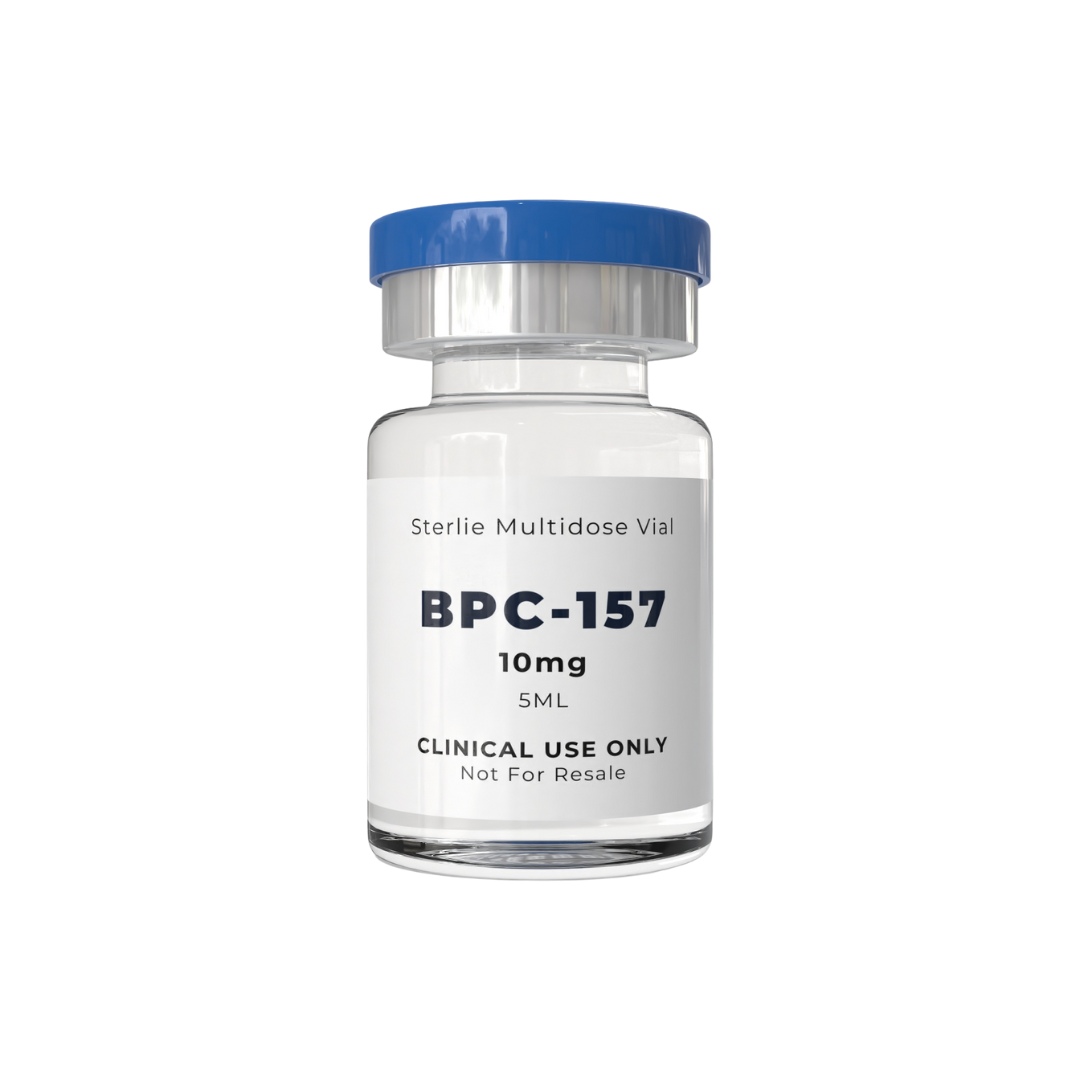
Product image (for reference)
Why Testing and Formulation Matter More Than Marketing
People want a single answer: the best bpc 157 peptide on the market. But peptide products are not all equal, and the “why” is straightforward.
Peptides are sensitive—consistency is the advantage
Peptides can be sensitive to handling and storage conditions. In real-world use, that means a product’s manufacturing quality, stability strategy, and packaging can influence whether the dose you expect is the dose you actually receive. In my hands-on assessments, I’ve seen cases where the COA looked fine, but the product’s storage instructions and packaging raised concerns—especially in distribution environments with temperature swings.
Capsules are not automatically “better”
Capsules can be easier for dosing routines, but they come with their own variables: excipient choice, capsule integrity, and how the product is designed to remain stable until consumption. A capsule can be a good choice, but it should still come with clear labeling and batch documentation.
Practical tradeoffs you should expect
| What buyers like | Where it can fall short |
|---|---|
| Convenience (capsule routine) | May not compensate for weak batch testing or unclear dosing |
| Clear “capsule” format | Formulation details may be limited compared with more transparent vendors |
| Marketing positioning (“protective” claims) | Claims often don’t equal verifiable composition/potency at the batch level |
My approach is simple: if the documentation and dose transparency don’t hold up, I don’t treat it as “best,” even if the branding looks premium.
How to Choose the Best BPC-157 Option for Your Situation
Here’s a grounded way to decide, using decision points I’ve applied repeatedly when comparing peptide capsule products.
Step-by-step selection process
- Start with documentation: confirm the availability of a recent COA for the specific product/batch.
- Verify what the COA actually tests: prioritize identity/potency and relevant purity metrics.
- Check label dosing: look for exact per-capsule amounts and consistent instructions.
- Assess stability signals: packaging type, storage guidance, and how the brand handles distribution.
- Buy with your environment in mind: if your storage conditions are inconsistent (heat exposure, frequent travel), favor products with strong stability practices and clear handling instructions.
What I would look at specifically for BPC 157 Peptide Capsule Pro / Bepecin-157
- Does the brand provide batch-specific COAs rather than only general claims?
- Is the per-capsule dose clearly stated and aligned with any serving schedule?
- Are storage and handling instructions realistic and detailed enough to protect the product during normal use?
If those points are strong, it may deserve consideration. If they’re vague, it’s hard for me to call it the best bpc 157 peptide on the market, because “best” should be grounded in verification, not vibes.
FAQ
What should I look for to identify the best bpc 157 peptide on the market?
Look for batch-specific third-party COAs with meaningful potency/identity testing, clear per-capsule dosing on the label, transparent sourcing/manufacturing information, and realistic storage guidance that supports product stability.
Are peptide capsules a reliable choice compared with other formats?
Capsules can be practical, but reliability depends on formulation transparency and batch documentation. Convenience doesn’t replace verification, so prioritize COA quality and dosing clarity over format alone.
Why do two BPC-157 products with similar marketing claims perform differently?
In real-world use, differences often come from manufacturing consistency, batch potency/identity results, stability and handling, and formulation/excipient choices—factors you can’t fully infer from advertising.
Conclusion
The best bpc 157 peptide on the market isn’t the one with the loudest claims—it’s the one you can verify. In my hands-on evaluation process, the winning products are the ones that consistently provide batch-level COAs, clear dosing information, and credible stability practices—especially when choosing capsule formats like BPC 157 Peptide Capsule Pro / Bepecin-157.
Next step: before buying, request or locate the most recent batch COA for the exact product and batch number you’d purchase, then confirm it includes identity/potency-style testing and matches the label’s stated dose.
Discussion